Responsible delivery for high-risk environments.
Skyline integrates sustainability, quality assurance, health, safety, and environmental responsibility across the entire project lifecycle.

Skyline integrates sustainability, quality assurance, health, safety, and environmental responsibility across the entire project lifecycle.
Projects are designed to minimize resource consumption, protect people and communities, and deliver dependable infrastructure over the long term.
Where practical, Skyline incorporates solar, wind, and other renewable sources into energy projects.
Solutions are selected to reduce waste, improve productivity, and lower emissions across the project lifecycle.
Environmental impact assessments, waste management, and air and water quality management are part of responsible delivery.
Processes are aligned with recognized quality practices, continuous improvement, and client satisfaction.
HSE policies include a zero-accident goal, safety audits, emergency response plans, PPE, and continuous training.
Skyline supports local employment, educational programs, and infrastructure development in the communities it serves.
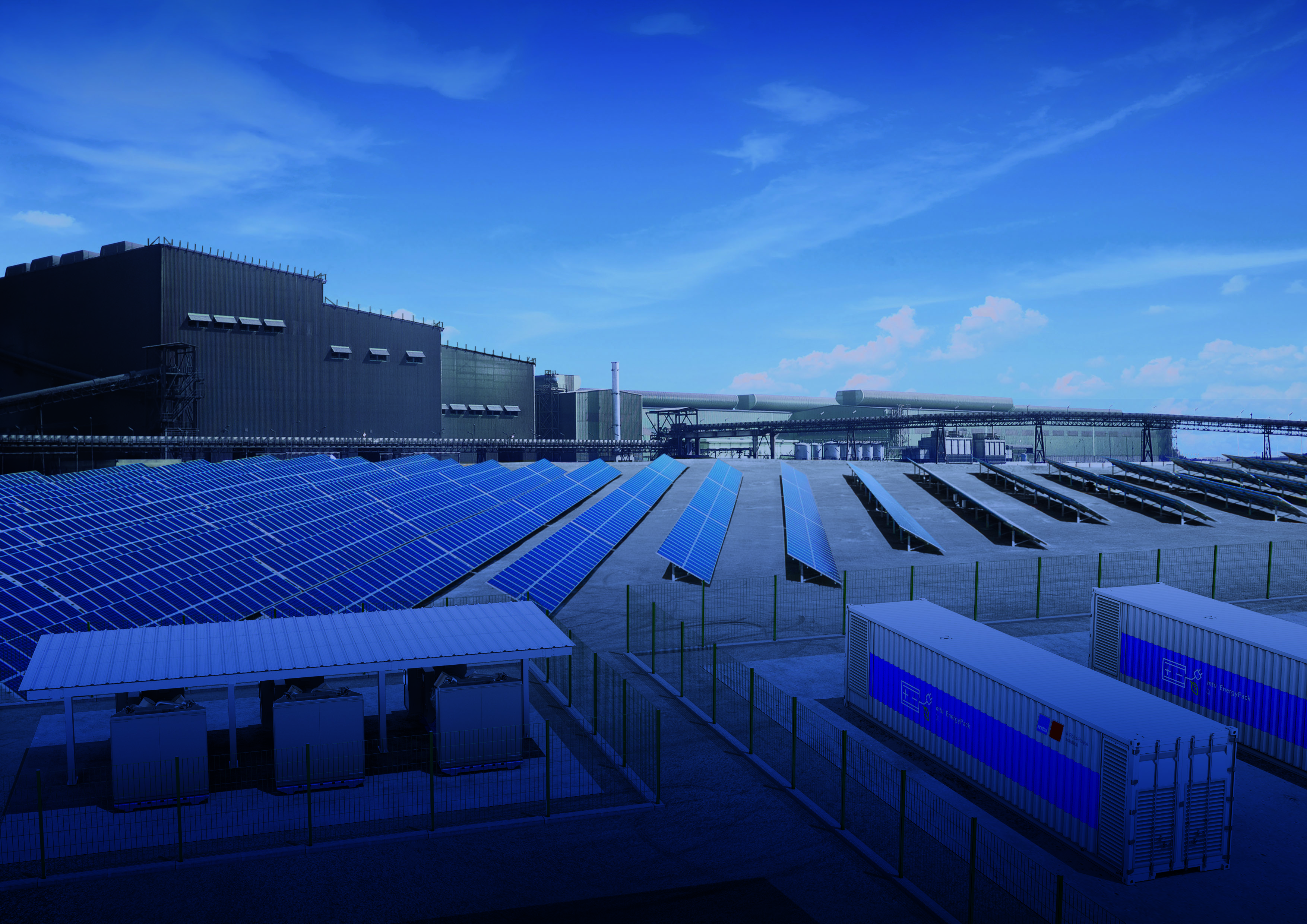
Renewable integration, energy-efficient technologies, and waste reduction help align infrastructure delivery with economic and environmental sustainability.
Quality is central to Skyline's delivery model, from initial design to final implementation. Continuous improvement and client satisfaction shape the QA process.
Skyline's HSE approach is aligned with rigorous industry expectations for critical energy and construction work environments.